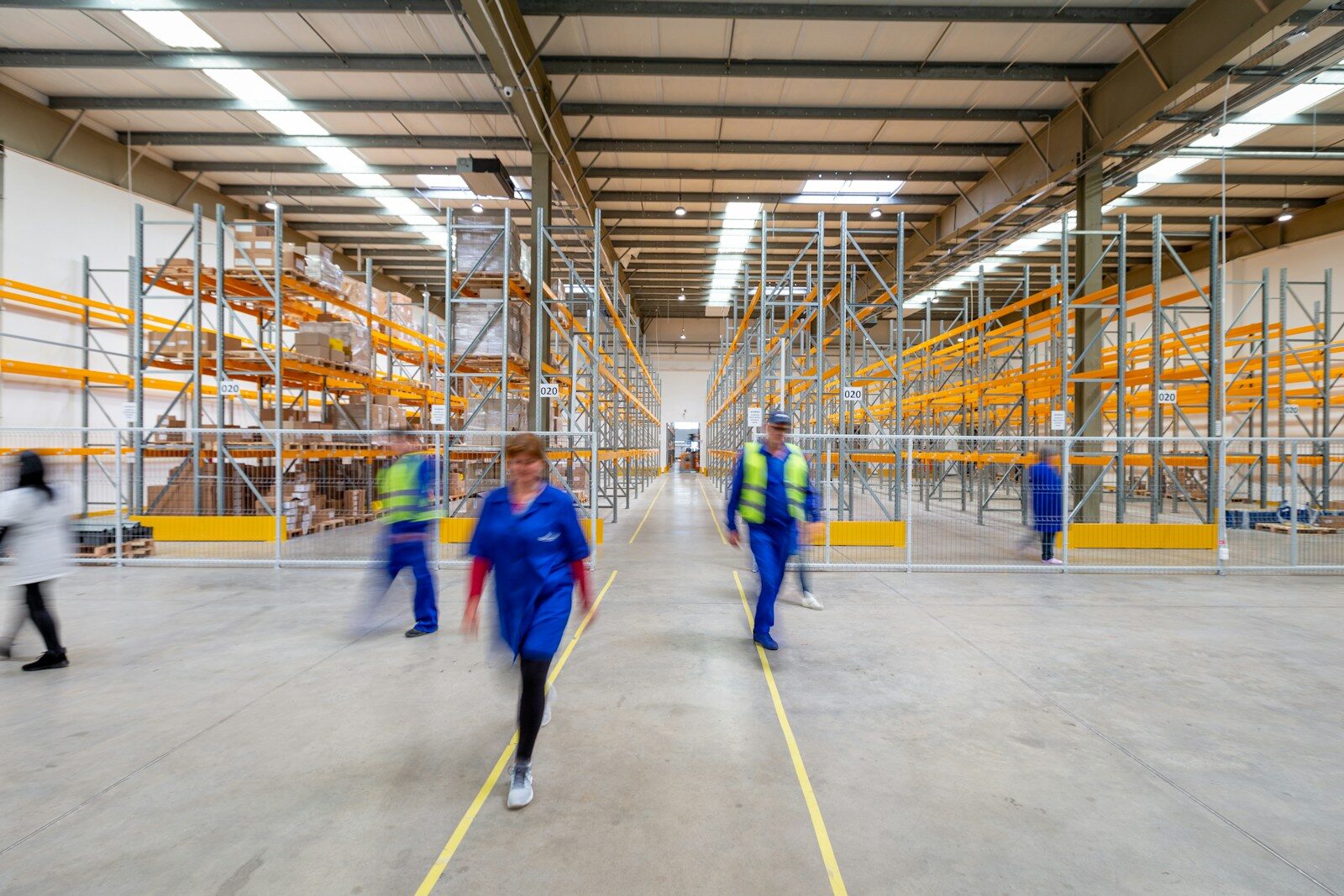
Warehousing is usually discussed in terms of speed, stock accuracy and delivery windows. Fair enough: those things keep businesses alive. But another shift is happening in the background, and it gets less attention than automation or robotics. Many warehouses are being rethought as everyday workplaces, not just giant containers for goods. That means paying closer attention to noise, temperature, safety and how people move through a site over a full shift.
It is a practical change, not a fashionable one. A busy building can become stressful when packing benches sit beside fork-lift routes, returns processing shares space with bulk storage, and supervisors are trying to talk over constant clatter. Simple design decisions can make a real difference to concentration and morale, especially in older units that were never built for the current pace of work.
That is part of why interest in warehouse partitions has grown beyond the old idea of merely fencing something off. In many settings, partitioning is used to create calmer picking areas, separate pedestrian walkways, carve out battery-charging zones or give admin teams a defined base on the warehouse floor. It is less about glamour and more about making a hard-working space easier to live with.
Small changes that tend to matter
- Clearer separation between vehicles and people
- Less disruption from dust, draughts and noise
- More usable space for packing, returns or quality checks
- A layout that can change as operations change
None of this turns a warehouse into a design studio, nor should it. The point is simpler: better-organised environments usually produce fewer avoidable frustrations. For employers under pressure to recruit and retain reliable staff, that matters. The most effective improvements are often the least dramatic, the sort that make a workplace feel more orderly on a wet Tuesday morning. That is usually the real test of whether a change was worth making.
Photo by Adrian Sulyok.